Building on a Rural Lot: Wells, Septic, and Access near Mayer
Buying raw land near Mayer or in the outlying Tri-City area is one of the most rewarding ways to build a home in Northern Arizona, but a rural parcel comes with questions a lot inside city limits never raises. Water, waste, power, and access all have to be solved from scratch, and the order you tackle them in matters. Here is a practical rundown of what to think through before the first truck rolls onto your property.
Start with water and a private well
Most rural parcels near Mayer are not on a municipal water line, which means a private well is usually the plan. Before you fall in love with a building site, find out whether the land already has a well, what its depth and recovery rate are, and whether the water has been tested recently. A dry or low-yield well changes everything about a project.
If there is no well yet, you will want to understand the drilling realities in your specific area. Well depth varies a lot across the region, and the rock and groundwater below one parcel can look nothing like the parcel next door.
Questions worth answering early
- Is there an existing well, and does it have a current flow and water-quality test?
- What depth have neighboring wells been drilled to?
- Will the well need storage tanks, a pressure system, or treatment?
- Where will the well sit relative to the house and the septic field?
Plan the septic system and perc test
With no sewer hookup, your home will rely on an on-site septic system. The size and type of that system depend heavily on how well your soil drains, which is why a percolation test, commonly called a perc test, is one of the first studies to schedule. Soil that drains slowly may require a larger leach field or an engineered alternative system, and that affects both your budget and where the house can go.
Septic design has to be permitted through Yavapai County, and the system must sit a safe distance from the well, property lines, and any wash or drainage. Laying out water and waste together, rather than one at a time, saves you from expensive surprises later.
What drives septic cost and layout
- Perc test results and overall soil drainage
- The number of bedrooms, which sets the required system size
- Setbacks from the well, structures, and drainage paths
- Whether a standard or engineered system is required
Bring in power, or go solar
Electric service is the next big decision. If a utility line runs near your parcel, you will need to find out how far the nearest point of connection is and what it takes to extend service to the building site. Long runs across rural acreage can add meaningful cost and lead time, so confirm this early with the provider.
Many landowners in the Mayer area weigh an off-grid or hybrid solar setup instead, especially when the parcel sits far from existing lines. Solar with battery storage can be a strong fit, but it needs to be designed around how you actually plan to live in the home.
Weigh these power options
- Extending utility power from the nearest connection point
- A full off-grid solar and battery system
- A hybrid system that pairs solar with a generator or utility backup
- Temporary power for the construction phase itself
Sort out driveway and road access
A building site is only useful if you can reach it, and rural access is easy to underestimate. Some parcels front a maintained county road, while others rely on a shared easement or an unimproved dirt track that turns rough in monsoon season. You will want to confirm legal access and any easement terms in writing before you build.
The driveway itself is real construction. A long approach may need culverts, a proper base, and grading so it drains and holds up to heavy delivery trucks and, eventually, emergency vehicles. Planning the driveway alongside the house keeps both working together instead of fighting each other.
Access items to confirm
- Legal, recorded access to the parcel
- Driveway length, slope, and drainage crossings
- A road base that supports concrete trucks and deliveries
- Turnaround and width for fire and emergency access
Handle grading, drainage, soil, and rock
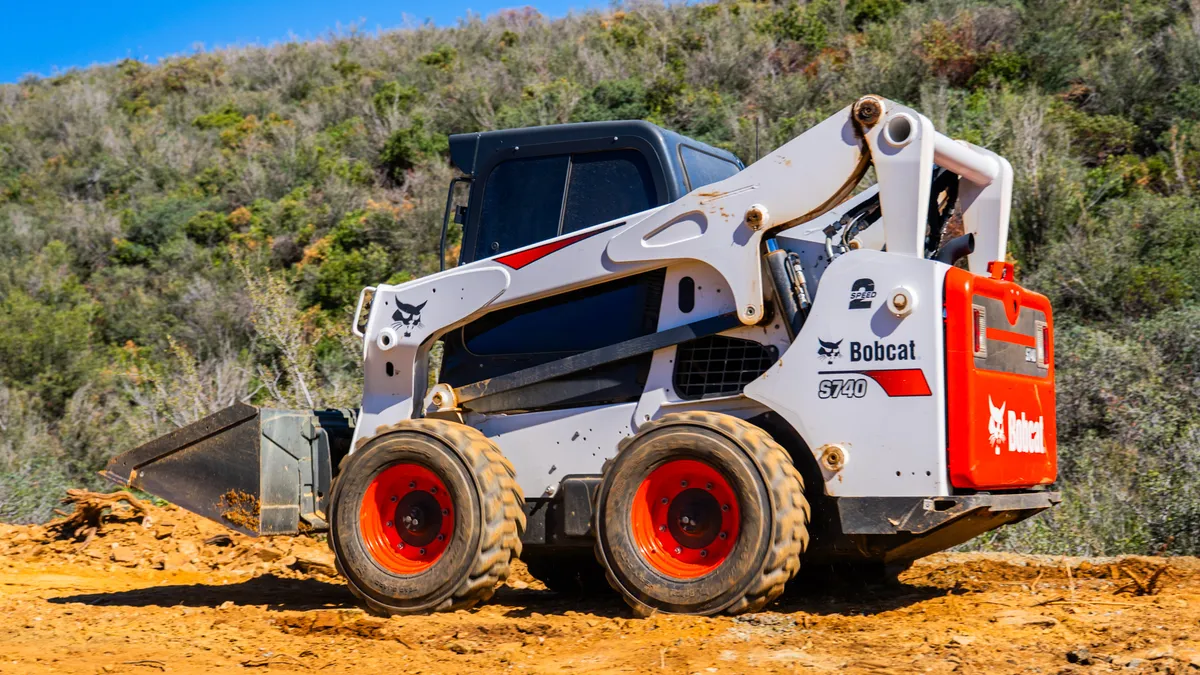
The land itself has the final say on where and how you build. Grading shapes the pad so the home sits level and water flows away from the foundation, which is critical in an area that sees heavy seasonal rain. Good drainage planning keeps runoff from pooling against the house or cutting across your driveway.
Soil and rock conditions near Mayer can be demanding. A site with shallow bedrock may need rock excavation for footings, utilities, and the septic field, and that work is far cheaper to anticipate than to discover mid-project. A clear picture of the soil also informs the foundation design, so the home is built on something you can trust.
Site work to budget for
- Pad grading and compaction for the foundation
- Drainage swales and erosion control
- Possible rock excavation for footings and trenches
- A foundation designed around the actual soil
Permitting with Yavapai County
Rural building still runs through the county permit process, and on undeveloped land there are usually several approvals in play at once. Beyond the building permit, you may be dealing with septic approval, driveway or access requirements, and setback rules tied to your zoning. Each of these has its own timeline, and they often depend on one another.
Working with a licensed contractor who knows the local process keeps these pieces moving in the right sequence. Vets 1st of Arizona holds a KB-1 Dual Building Contractor license, ROC #359130, and coordinates the studies, the site work, and the permits so your rural build starts on solid footing rather than stalling at the county counter.
Vets 1st of Arizona is a veteran-focused general contractor that hires and empowers veterans, serving Prescott, Prescott Valley, Sedona, Cottonwood, Mayer, and Flagstaff. If you are weighing a parcel near Mayer or anywhere in the Tri-City area, call us at (928) 776-3020 for a free phone quote. When you are ready for a closer look, we offer a $75 on-site estimate that is credited toward your project when you move forward.