Cabinet Painting vs. Replacement: Cost and Durability
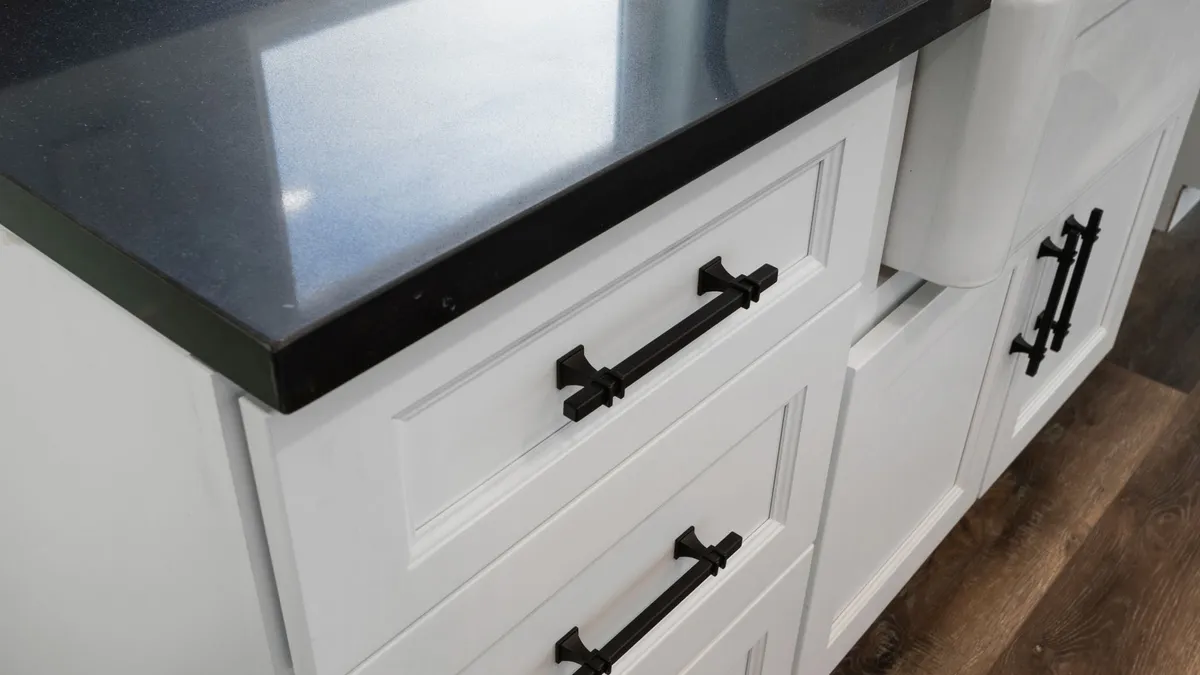
Tired kitchen cabinets are one of the most common reasons homeowners in the Prescott area call us, and the first question is almost always the same. Should we paint them or tear them out and start over? The honest answer depends on the condition of what you already have, the look you want, and the budget you are working with.
The core difference between painting and replacing
Painting keeps your existing cabinet boxes and doors in place and gives them a fresh, durable finish. Replacement removes everything down to the walls and installs new boxes, doors, and hardware. One is a refresh of what you own. The other is a clean slate.
Both can transform a kitchen. The right choice comes down to a few practical factors rather than personal taste alone.
What painting can and cannot change
Painting is powerful, but it has limits. It is worth knowing what it will and will not do before you decide.
- Changes color, sheen, and overall feel of the room
- Updates dated wood tones without a full remodel
- Keeps your current layout, sizes, and door styles
- Does not fix broken boxes, sagging shelves, or water damage
- Does not change the footprint or add storage
How the cost compares
Across the board, painting costs a fraction of what full replacement runs. You are paying mostly for skilled labor and quality materials rather than new cabinetry, demolition, and disposal. That gap is the single biggest reason homeowners lean toward painting when their boxes are sound.
Replacement carries the cost of the cabinets themselves, removal of the old units, and often new countertops, since old tops rarely survive a tear-out cleanly. When you add those pieces together, the budget climbs quickly. We give you a clear comparison for your specific kitchen rather than a one-size number, because every layout is different.
Durability and how long each option lasts
A well-painted cabinet can look great for many years, but durability is earned entirely through preparation. A finish that is sprayed over greasy, glossy doors without proper prep will chip and peel, and that is where painting gets its bad reputation. Done correctly, a painted finish holds up to daily kitchen use remarkably well.
New cabinets, by contrast, arrive with a factory finish and fresh structure, so they tend to last longest with the least worry. If your current boxes are already failing, that longevity matters more than the upfront savings of paint.
The prep that makes painted cabinets last
The result lives or dies in the prep work. When we refinish cabinets, we follow a sequence that protects the finish for the long haul.
- Thorough cleaning and degreasing to remove cooking residue
- Sanding or scuffing every surface so the primer grips
- A quality bonding primer suited to the existing material
- A durable topcoat built for high-touch surfaces
- Proper cure time before doors and drawers go back to work
Skipping any one of these steps is what leads to peeling down the road. It is slower to do it right, and it is the only way painted cabinets earn their lifespan.
When your cabinet boxes decide for you
Paint only improves the surface. If the structure underneath is compromised, no finish will save it. Before we recommend painting, we look closely at the condition of the boxes.
Signs the boxes are still worth keeping
- Solid, square frames with no racking or separation
- Shelves and drawers that hold weight without sagging
- No swelling, delamination, or soft spots from moisture
- Hinges and slides that still function or can be swapped
Signs replacement is the smarter call
- Water damage under the sink or around the dishwasher
- Particleboard boxes that are crumbling or flaking apart
- Doors that no longer sit flush or close properly
- Widespread damage that would cost more to patch than replace
When a layout change forces replacement
Sometimes the problem is not the finish or the condition. It is the plan of the kitchen itself. Paint cannot move a wall, add an island, or create more counter space.
If you want to relocate the sink, open the room up, add a pantry, or change cabinet sizes to fit new appliances, you are in replacement territory. At that point, new cabinetry is simply part of a larger remodel, and painting the old units would be a temporary fix on a kitchen you are about to change anyway.
Timeline for each approach
Painting is the faster path by a wide margin. Replacement is a bigger project with more moving parts, so it asks more patience and more planning.
What to expect with painting
- A multi-day project rather than weeks of work
- Short stretches without full use of doors and drawers
- Minimal demolition, dust control, and cleanup
- Your kitchen stays largely usable throughout
What to expect with replacement
- Demolition, disposal, and new installation
- Possible coordination with countertop and plumbing work
- A longer window where the kitchen is out of service
- More lead time while new cabinets are ordered and delivered
Making the honest call for your kitchen
If your boxes are solid and you simply want a new look, painting usually delivers the best value with far less disruption. If the structure is failing or you want to change how the kitchen functions, replacement is the wiser investment even though it costs and takes more. Neither choice is universally right, and we will tell you straight which one fits your situation.
As a veteran-focused general contractor serving Prescott, Prescott Valley, Sedona, Cottonwood, Mayer, and Flagstaff, the Feist team is glad to walk through both options with you. Call us at (928) 776-3020 for a free phone quote, or schedule a $75 on-site estimate that is credited toward your project when you move forward. We are a licensed KB-1 Dual Building Contractor, ROC #359130, and we are happy to help you decide with no pressure either way.