Paver Patios and Walkways for Prescott-Area Yards
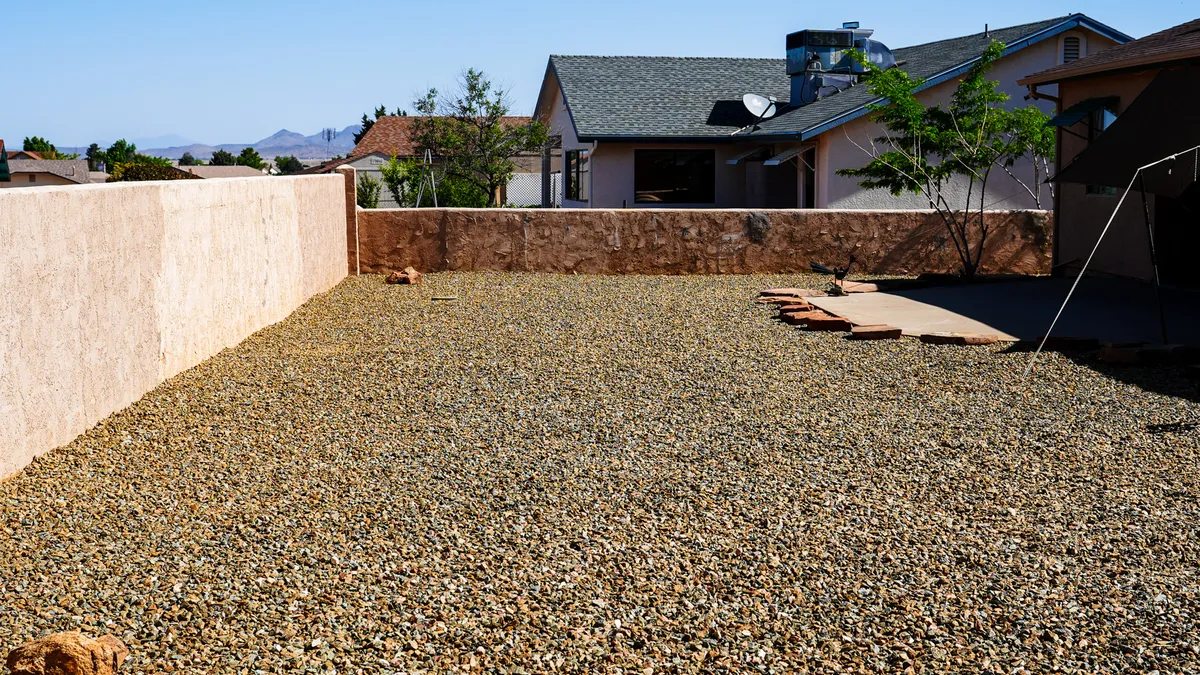
A well-built paver patio or walkway can transform how you use your yard, giving you a solid, attractive surface that stands up to Northern Arizona weather for decades. The difference between a surface that stays flat and a surface that heaves, cracks, or sinks comes down to what happens below the stones, long before anyone sees the finished look. Here is what goes into a paver installation that lasts in the Prescott area.
Why pavers suit the Prescott climate
Yards around Prescott, Prescott Valley, and up toward Flagstaff deal with real temperature swings, from hot summer afternoons to freezing winter nights. That cycle is hard on rigid surfaces, which is exactly where pavers earn their reputation.
Because a paver surface is made of many individual units set over a flexible base, it can shift slightly with the ground instead of fighting it. That flexibility is the key reason pavers tend to outlast poured concrete in freeze-thaw country.
What pavers handle well
- Repeated freeze and thaw cycles through the colder months
- Ground movement from expanding and contracting soils
- Heavy foot traffic and patio furniture
- Everyday wear without showing the stress the way a slab does
Material options to consider
Choosing the right material affects both the look of the finished space and how it performs over time. Two options come up most often in the yards we work on.
Concrete pavers
Manufactured concrete pavers come in consistent shapes, sizes, and colors, which makes them easy to lay in clean patterns and simple to match later. They are dense, durable, and widely available, so they tend to be a practical choice for patios, walkways, and driveways alike.
Flagstone
Flagstone brings a natural, irregular look that fits beautifully with the high desert landscape. Each piece is unique, so a flagstone walkway has character that manufactured units cannot copy. It works especially well for homeowners who want the surface to feel like it belongs in the surrounding terrain.
When we talk through a project, we help you weigh appearance, budget, and how the space will be used so the material fits the way you actually live in your yard.
Base preparation and compaction
The base is the part nobody sees and the part that determines everything. A paver surface is only as stable as what sits under it, and skipping steps here is the most common reason patios fail early.
Proper base work starts with excavating to the right depth, then building up layers of compacted aggregate. Each layer gets compacted on its own rather than all at once, which is what creates a solid, load-bearing foundation that will not settle unevenly.
What a solid base includes
- Excavation to a depth suited to the use and the soil
- Compacted aggregate built up in layers
- Mechanical compaction at each stage, not just at the end
- A level, well-prepared bedding layer for the pavers to sit on
Taking the time to compact correctly is the single biggest factor in whether a surface stays flat for years or starts to dip and rock within a season.
Drainage and grading
Water is the quiet enemy of any outdoor surface, and in our area summer storms can drop a lot of it fast. If water pools on or under a patio, it undermines the base and accelerates damage, so planning where it goes is part of the job from the start.
A proper installation grades the surface so water sheds away from your home and foundation rather than collecting on the patio. The base materials themselves also allow water to move through and drain rather than sitting trapped under the stones.
Why grading matters
- Keeps runoff moving away from the house
- Protects the compacted base from washout
- Reduces standing water that can freeze and lift pavers
- Helps the surface stay clean and usable after storms
Edge restraint and keeping pavers in place
Even a perfect base needs something to hold the outer edges, or the pavers will slowly spread and drift apart over time. Edge restraint locks the border in place so the whole surface stays tight and stable.
Once the edges are secured, fine joint material is swept between the pavers and compacted in. That locks the units together so they share loads and move as one surface instead of as loose, independent pieces.
Resistance to freeze-thaw cracking
This is where the flexible nature of pavers really pays off in Northern Arizona. A poured concrete slab is one large rigid piece, so when the ground moves or moisture freezes beneath it, the stress has nowhere to go and the slab cracks.
Pavers handle that same stress differently. The many small joints between units absorb movement, so instead of cracking across a wide surface, the pavers simply flex and settle back. In a climate that cycles above and below freezing all winter, that difference adds up to a surface that holds its appearance far longer.
Lower maintenance and easier repairs
Beyond durability, pavers are forgiving in a way that poured surfaces are not. That matters for the long haul, because every outdoor surface eventually needs some attention.
Why pavers are easier to live with
- A single damaged or stained paver can be lifted and replaced without redoing the whole area
- Repairs blend in, since replacement units match the originals
- There are no large cracks to patch, and patches on a slab rarely disappear
- Routine upkeep is mostly cleaning and refreshing joint material
With a poured slab, a crack or stain often means living with it or replacing a large section. With pavers, a fix can be a quick, targeted swap that leaves the surface looking whole again.
Ready to plan your project
Vets 1st of Arizona is a veteran-focused general contractor that hires and empowers veterans, serving Prescott, Prescott Valley, Sedona, Cottonwood, Mayer, and Flagstaff. We are a KB-1 Dual Building Contractor, ROC #359130, and we are glad to walk you through the right approach for your yard.
Call (928) 776-3020 for a free phone quote. If you would like us to come out and assess your space in person, we offer a $75 on-site estimate that is credited toward your project when you move forward. Let us help you build an outdoor surface that fits your home and lasts.